Scaffolding Safety: Key Requirements and Practices
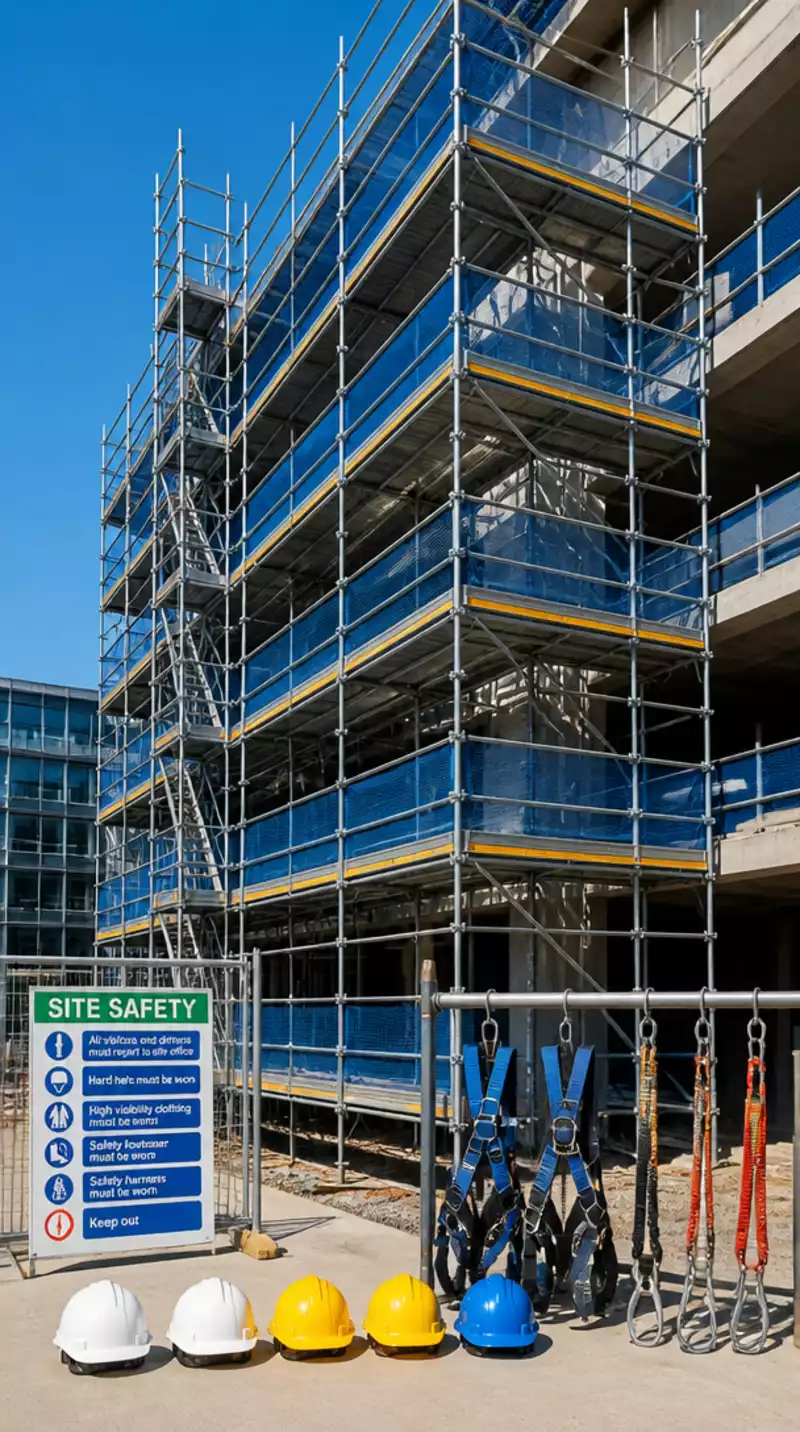
Understanding the intricacies of scaffolding safety isn't just crucial for compliance; it's the foundation of project success and worker protection. Dive into these key lessons to enhance your scaffolding knowledge and practices.
What You Will Learn
- Scaffolding must be designed by qualified professionals and built according to manufacturer specifications to ensure safety.
- Regular inspections and visual assessments of scaffolding components are essential to identify damage or wear before use.
- Key safety components like guardrails, toe boards, and planked platforms significantly reduce the risk of falls and accidents.
- Following OSHA regulations not only promotes safety but also enhances project efficiency and worker confidence.
- Implementing fall protection strategies and ensuring proper use of personal protective equipment (PPE) are vital for on-site safety.
OSHA Scaffolding Safety: Key Regulations & Best Practices
This visual outlines the crucial regulations and best practices for commercial scaffolding safety, focusing on compliance checklists, essential components, and fall protection strategies.
OSHA Regulations & Compliance
- ✓ Designed by qualified person
- ✓ Regular pre-use inspections
- ✓ Fully planked platforms
- ✓ Appropriate guardrails
Essential Safety Components
- ● Guardrails for fall prevention
- ● Toe Boards (falling objects)
- ● Planked working platforms
- ● Safe Access (ladders/stairs)
- ● Tie-Ins for stability
Inspection Protocols & Checklists
- ✓ Visual damage assessment
- ✓ OSHA compliance verification
- ✓ Proper assembly/stability checks
- ✓ Document findings & actions
Fall Protection Strategies
- ● Worker training (PFS, lanyards)
- ● Regular gear inspection
- ● Emergency response system
Understanding Commercial Scaffolding Safety Requirements
When it comes to commercial scaffolding safety, understanding the legal requirements and best practices is crucial. At Highcourt Scaffolding, we take safety seriously, and part of that commitment involves adhering to the regulations set forth by the Occupational Safety and Health Administration (OSHA). Knowing these regulations not only protects workers but also ensures that projects run smoothly and efficiently.
One major regulation we follow is OSHA Subpart L, which governs scaffolding safety. This set of rules outlines the necessary measures to maintain a secure working environment when scaffolding is in use. Familiarizing yourself with these regulations can help mitigate risks and ensure compliance on every project.
Key OSHA Regulations for Scaffold Safety
OSHA regulations are designed to protect workers on scaffolding. Here are a few key points:
- Scaffolds must be designed by a qualified person and constructed based on the manufacturer's specifications.
- Regular inspections are required to ensure safety before use.
- Scaffold platforms must be fully planked and have appropriate guardrails to prevent falls.
By adhering to these regulations, we at Highcourt Scaffolding can provide safe and reliable scaffolding solutions in Peterborough and surrounding villages. It's not just about compliance; it's about creating a safe working environment for everyone involved.
Essential Components of Scaffolding Safety
To ensure scaffold safety, several essential components must be taken into account. These include:
- Guardrails: These are crucial for preventing falls from heights.
- Toe Boards: They prevent tools and materials from falling off the edges.
- Planked Platforms: Adequate planking ensures a safe working surface.
- Safe Access: Proper ladders or stairs must be provided for safe entry and exit.
- Tie-Ins: Scaffolds should be securely tied to the structure to enhance stability.
Incorporating these components not only complies with OSHA regulations but also promotes a safer working environment. At Highcourt Scaffolding, we ensure that all these elements are addressed before we commence any project.
Scaffold Design Specifications and Load Capacity Limits
Understanding scaffold design specifications is essential for maintaining safety. These specifications dictate how scaffolding should be constructed and the load capacity limits that must not be exceeded. For any scaffolding used in commercial projects, it's vital to:
- Conduct a thorough assessment of the intended load.
- Follow design specifications provided by the manufacturer.
- Regularly review load capacity limits during the project.
By adhering to these guidelines, we can prevent accidents and ensure that scaffolds remain safe throughout their use. Remember, at Highcourt Scaffolding, we prioritize your safety alongside our commitment to quality service.
Pro Tip
Did you know? Regular training and refresher courses for your scaffolding team can significantly reduce the likelihood of accidents. Ensuring that your workers are well-informed about the latest safety protocols and equipment usage is key to maintaining a safe work environment.
Implementing Best Practices for Scaffold Safety
At Highcourt Scaffolding, we understand that implementing best practices for scaffold safety is essential for both worker protection and project success. Following structured safety protocols not only enhances productivity but also minimizes the risk of accidents. In this section, we’ll delve into effective inspection protocols, fall protection strategies, and the importance of personal protective equipment (PPE) in ensuring safety on-site.
Inspection Protocols and Compliance Checklists
Creating effective scaffold inspection logs and pre-job checklists is a foundational step in maintaining scaffold safety. Regular inspections ensure that scaffolding remains compliant with the latest safety regulations. At Highcourt Scaffolding, we emphasize the importance of thorough inspections by including the following items in our checklists:
- Visual assessment of scaffolding components for damage or wear
- Verification of compliance with OSHA regulations
- Checking for proper assembly and stability
- Documenting findings and corrective actions taken
By adhering to these protocols, we can identify common violations and address them proactively. Regular compliance checks help avoid potential hazards and maintain a safe working environment.
Fall Protection Strategies for Workers
Understanding personal fall arrest systems, lanyards, and lifelines is crucial for protecting workers on scaffolding. Effective fall protection strategies involve not just the equipment itself but also how it’s used. Here are some key practices:
- Ensuring all workers are trained in the proper use of fall protection systems
- Regularly inspecting fall protection gear for wear and tear
- Implementing a system for emergency response in case of a fall
At Highcourt Scaffolding, we prioritize fall safety, ensuring that all our team members are equipped with the right tools and knowledge to work safely at heights.
Utilizing Personal Protective Equipment (PPE) in Scaffold Safety
The importance of PPE in scaffolding environments cannot be overstated. Proper usage of PPE helps protect workers from various hazards they may encounter. Key PPE guidelines include:
- Wearing hard hats to protect against falling objects
- Using safety glasses to shield eyes from debris
- Donning high-visibility vests for better visibility on-site
- Utilizing steel-toed boots for foot protection
At Highcourt Scaffolding, we ensure our team follows these guidelines strictly to promote a safe working environment. The right PPE, combined with a commitment to safety, sets the stage for a successful project.
Frequently Asked Questions About Scaffolding Safety
- What are the key OSHA regulations for scaffolding safety?
- OSHA regulations require scaffolds to be designed by qualified persons, constructed according to manufacturer specifications, undergo regular pre-use inspections, and have fully planked platforms with appropriate guardrails.
- What are the essential safety components for scaffolding?
- Essential components include guardrails for fall prevention, toe boards to prevent falling objects, fully planked working platforms, safe access points (ladders/stairs), and tie-ins for stability.
- Why are regular inspections important for scaffolding?
- Regular inspections, including visual damage assessments and compliance checks, are crucial to identify wear, damage, or improper assembly, ensuring the scaffolding remains safe and compliant with OSHA regulations.
- What fall protection strategies should be implemented for workers on scaffolding?
- Fall protection strategies include thorough worker training on personal fall arrest systems (PFS), lanyards, and lifelines, regular inspection of fall protection gear, and an established emergency response system.
- What PPE is recommended for scaffolding environments?
- Recommended PPE includes hard hats for falling object protection, safety glasses for eye protection, high-visibility vests for on-site visibility, and steel-toed boots for foot protection.
Recap of Key Points
Here is a quick recap of the important points discussed in the article:
- Understand and adhere to OSHA regulations for scaffolding safety.
- Ensure scaffolds are designed by qualified personnel and undergo regular inspections.
- Incorporate essential components like guardrails, toe boards, and planked platforms for safety.
- Conduct thorough assessments of load capacity and follow manufacturer specifications.
- Implement effective inspection protocols and compliance checklists to maintain safety.
- Establish fall protection strategies and ensure proper training for all workers.
- Utilize appropriate personal protective equipment (PPE) to safeguard against hazards.
Popular Posts
Safe Roof Repair Scaffolding Options
![Safe Roof Repair Scaffolding Options]() Have you ever considered the impact of scaffolding on safety during roof repairs? The right scaffold
Have you ever considered the impact of scaffolding on safety during roof repairs? The right scaffold
 Have you ever considered the impact of scaffolding on safety during roof repairs? The right scaffold
Selecting Scaffolding for Commercial Projects
![Selecting Scaffolding for Commercial Projects]() In the world of commercial construction, the foundation of a successful project often rests on a see
In the world of commercial construction, the foundation of a successful project often rests on a see
 In the world of commercial construction, the foundation of a successful project often rests on a see
Scaffolding for Home Extensions
![Scaffolding for Home Extensions]() Did you know that scaffolding is not just a platform, but a crucial safety measure for home renovati
Did you know that scaffolding is not just a platform, but a crucial safety measure for home renovati
 Did you know that scaffolding is not just a platform, but a crucial safety measure for home renovati
Construction Site Safety Practices
![Construction Site Safety Practices]() As the construction industry continues to evolve, safety practices have become more crucial than eve
As the construction industry continues to evolve, safety practices have become more crucial than eve
 As the construction industry continues to evolve, safety practices have become more crucial than eve
