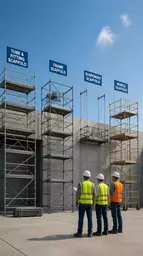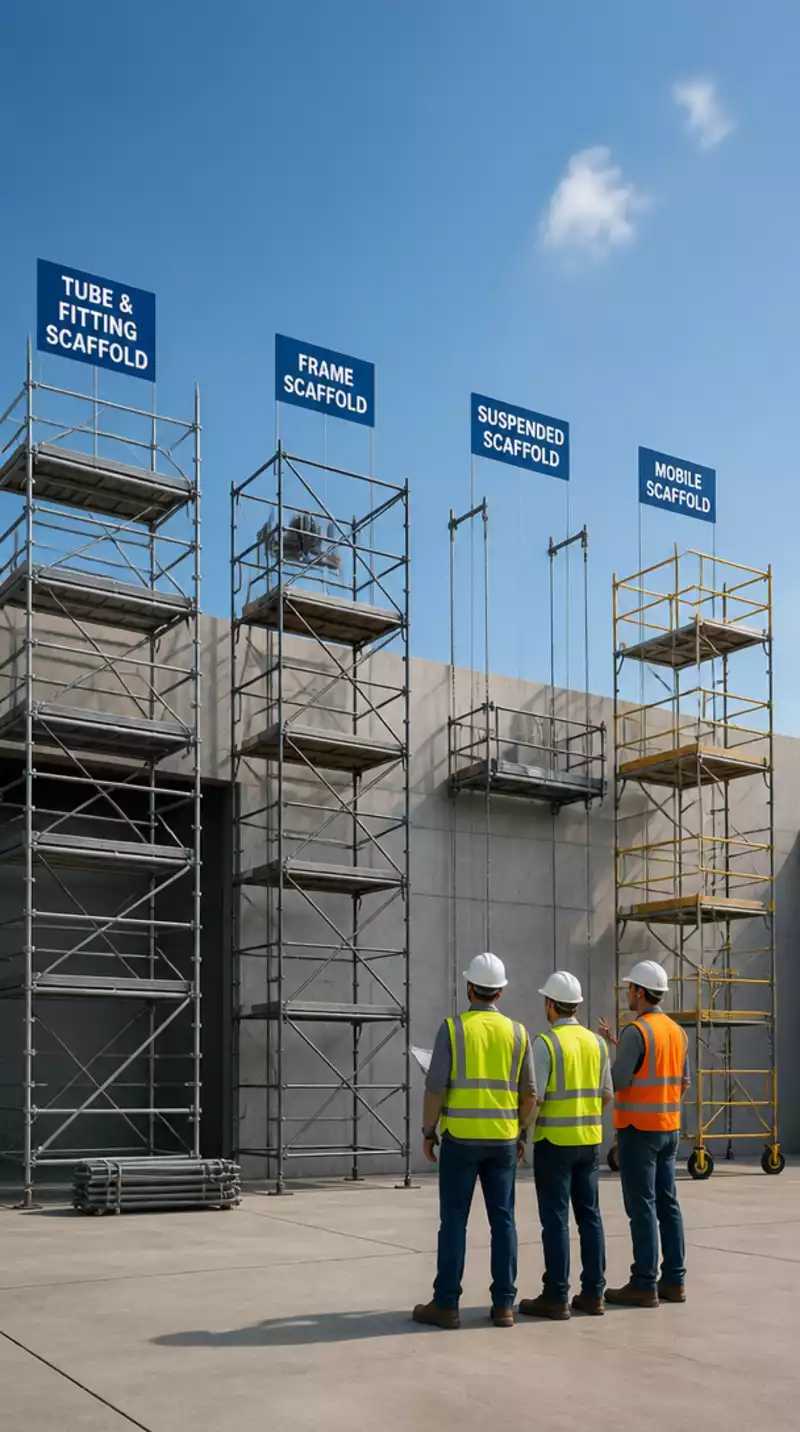
1. Assess Project Needs
- Type & complexity of construction
- Height & structural requirements
- Timeline & budget constraints
In the world of commercial construction, the foundation of a successful project often rests on a seemingly simple choice: scaffolding. The right scaffolding can mean the difference between a smooth operation and numerous setbacks. Are you ready to discover how this critical component can elevate your project's safety and efficiency?
Successful scaffolding projects involve a structured approach, from initial assessment to ongoing safety. Here’s a breakdown of the critical steps to ensure efficiency and safety.
When it comes to commercial construction, selecting the right scaffolding can significantly impact the success of your project. At Highcourt Scaffolding, we understand that the scaffolding you choose affects everything from worker safety to project timelines. Choosing quality scaffolding ensures that your construction team can work efficiently and safely, ultimately leading to smoother project execution.
Moreover, the right scaffolding solution helps minimize delays and avoids potential accidents. Since our team at Highcourt Scaffolding is dedicated to providing safe, reliable, and affordable scaffolding services, we emphasize the importance of making informed decisions based on the specific needs of your project.
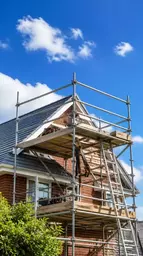
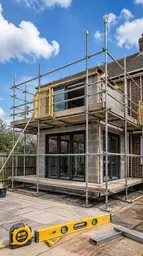
Scaffolding is essential in commercial construction for several reasons. Primarily, it provides a sturdy framework that supports workers and materials at various heights. This support is crucial for tasks such as roofing, building repairs, and renovations.
At Highcourt Scaffolding, we pride ourselves on delivering solutions that align with your project goals, whether it’s a small repair job or a large commercial venture. The right scaffolding not only enhances safety but also increases productivity and supports your team effectively.
When selecting scaffolding for your project, several key factors come into play. First, you need to assess the specific requirements of your site and the nature of the work to be performed. This involves considering the height of the building, the type of work being done, and the duration of the project.
Understanding these factors allows you to make a more informed decision. At Highcourt Scaffolding, we can help you evaluate these criteria to provide a tailored scaffolding solution that meets your unique project needs. Our commitment to punctual service and competitive pricing means you can trust we’ll have the right scaffolding in place when you need it!
Did you know? Regular scaffold inspections can not only identify potential hazards before they escalate but also enhance the overall safety and efficiency of your project. Make it a routine to conduct daily checks and keep a documented log of any repairs or maintenance performed. This proactive approach ensures a safer work environment for your team!
As we wrap up our discussion on scaffolding, it's essential to highlight the key factors to keep in mind when making your selection. Choosing the right scaffolding isn't just about cost; it also involves understanding your project's unique requirements, safety regulations, and the materials that will best suit your needs. Ultimately, the goal is to ensure a safe and efficient work environment while minimizing delays and costs.
Here are some of the crucial elements to consider:
By taking these factors into account, you can make a better-informed decision that will contribute to the success of your commercial construction projects. Remember, at Highcourt Scaffolding, we’re always here to help guide you through this process!
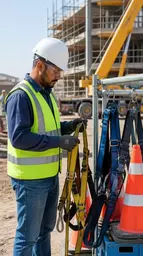
It’s important to emphasize that safety should never be compromised when it comes to scaffolding. Properly selected and installed scaffolding can not only enhance worker productivity but also drastically reduce the risks of accidents on the job site. This is why we prioritize public liability insurance and adhere to local health and safety requirements at Highcourt Scaffolding.
To foster a culture of safety, consider implementing these practices:
By ensuring everyone is on the same page, you’ll create a safer work environment, leading to higher morale and better project outcomes. Safety is not just a requirement; it's a responsibility!
Before diving into your scaffolding selection, take a moment to assess your specific project requirements. Consider the scope of the work, the types of structures involved, and any particular challenges that may arise. This evaluation will help pinpoint the scaffolding solution that best fits your needs.
Here are some key aspects to evaluate:
At Highcourt Scaffolding, we can assist you in identifying these key factors to ensure a successful project!
Once you've assessed your needs, the next step is to consult with professionals who can provide tailored scaffolding solutions. Working with experts like us at Highcourt Scaffolding means you gain access to our experience and insights in the field. We can help you choose the best scaffolding type, ensuring it meets safety standards while keeping your budget in check.
Key benefits of consulting with experts include:
Don't hesitate to reach out to us for a free quotation at 07526 420224!
Regular scaffold inspections and maintenance are crucial for ensuring ongoing safety throughout your project's duration. Creating a routine inspection schedule can help identify potential issues before they become significant problems. Remember, safety isn't just a one-time consideration; it's an ongoing commitment!
To maintain safe scaffolding, consider:
By prioritizing inspections and maintenance, you not only protect your workers but also enhance the longevity and effectiveness of your scaffolding solution.
Finally, investing in training programs for your team is a pivotal step towards achieving safety and efficiency on the job site. Proper training ensures that everyone knows how to handle scaffolding safely and effectively, reducing the risk of accidents.
Consider the following for implementing an effective training program:
At Highcourt Scaffolding, we’re committed to providing the resources you need to foster a safe working environment. Remember, safety starts with knowledge!
A: The right scaffolding significantly impacts worker safety, project efficiency, and overall project timelines. It ensures your team can work safely and effectively, minimizing delays and potential accidents.
A: Key factors include the project's height and specific working requirements, the necessary load capacity for materials and personnel, and the site conditions such as ground stability and access.
A: Scaffolding provides a sturdy and secure platform for workers and materials at various heights, ensuring compliance with safety regulations and drastically reducing the risk of falls and other accidents.
A: Regular scaffold inspections (e.g., daily checks) and documented maintenance are crucial for identifying potential hazards before they escalate, ensuring long-term safety, and keeping all components compliant with regulations.
A: Consulting with experts provides personalized advice, access to the latest technologies, insights into safety compliance, and support in planning for efficient installation and dismantling, ensuring a tailored and safe solution for your project.
Here is a quick recap of the important points discussed in the article: