Pillar 1:
Education & Training
Continuous learning about hazards, safe practices, and equipment use. Includes daily briefings and immersive VR training.
- Daily safety briefings
- VR training programs
As the construction industry continues to evolve, safety practices have become more crucial than ever. By understanding and implementing these practices, construction businesses can create safer work environments and boost overall productivity. Here’s what you will learn about essential safety practices in construction.
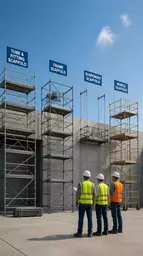
Effective safety on construction sites relies on three fundamental areas: education, compliance, and culture. These elements combine to create a secure and productive work environment.
Continuous learning about hazards, safe practices, and equipment use. Includes daily briefings and immersive VR training.
Adherence to HSE guidelines, Work at Height, and PUWER regulations. Utilizes software for real-time tracking.
Fostering an environment where safety is a shared responsibility, with open communication and recognition.
Increased use of drones, wearables, and advanced software for monitoring and risk mitigation.
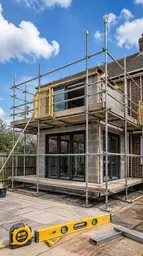
When it comes to construction, safety is not just a priority—it's a necessity! At Highcourt Scaffolding, we understand that implementing essential safety practices can significantly reduce risks on construction sites. With a focus on both residential and commercial projects, ensuring the safety of our workers and clients is vital to our operations. Let's dive into why these practices are crucial in the construction industry.
Construction sites are inherently hazardous, making safety practices essential to protect everyone involved. From our experience at Highcourt Scaffolding, where we often handle complex scaffolding setups, we know that even a minor oversight can lead to serious accidents. By prioritizing safety, we not only comply with regulations but also foster a culture of trust.
Moreover, adhering to safety practices helps build a positive reputation in the community. Clients feel confident knowing that their projects are being handled with care, reflecting our commitment to quality and safety.
In the United Kingdom, the Health and Safety Executive (HSE) is the regulatory body responsible for enforcing safety laws in construction. At Highcourt Scaffolding, we stay informed about guidelines set by the HSE to ensure our scaffolding services meet safety compliance standards. Understanding the role of such organizations is crucial for any construction business.
By following HSE guidelines, we not only protect our workers but also our clients. We believe that safety compliance is not just about avoiding penalties; it’s about creating a safer work environment for everyone involved!
Understanding key safety regulations can be a game-changer for construction projects. At Highcourt Scaffolding, we take our responsibility seriously by adhering to these regulations to ensure safe operations. Here are some crucial safety regulations that impact our work:
Each of these regulations plays a vital role in shaping our safety practices. For instance, the Work at Height Regulations specifically influence how we set up and dismantle scaffolding efficiently and safely. By keeping abreast of these regulations, we can provide our clients with reliable and safe scaffolding solutions that meet legal standards.
Did you know? Regularly reviewing and updating your safety practices can significantly reduce workplace incidents. Make it a habit to conduct monthly safety audits to identify potential hazards and ensure compliance with evolving regulations. This proactive approach not only protects your workers but also enhances overall project efficiency.
Safety practices are essential in construction to reduce the risk of accidents and injuries, ensure compliance with legal requirements set by bodies like the HSE, and ultimately increase overall productivity and morale on site. They also help build a positive company reputation.
The Health and Safety Executive (HSE) is the UK's regulatory body responsible for enforcing safety laws in construction. It provides essential safety standards and regulations, offers compliance guidance, and conducts inspections to ensure adherence to safety protocols.
Crucial safety regulations include the Work at Height Regulations, the Provision and Use of Work Equipment Regulations (PUWER), and the Management of Health and Safety at Work Regulations. These regulations dictate how specific tasks and equipment use must be managed safely.
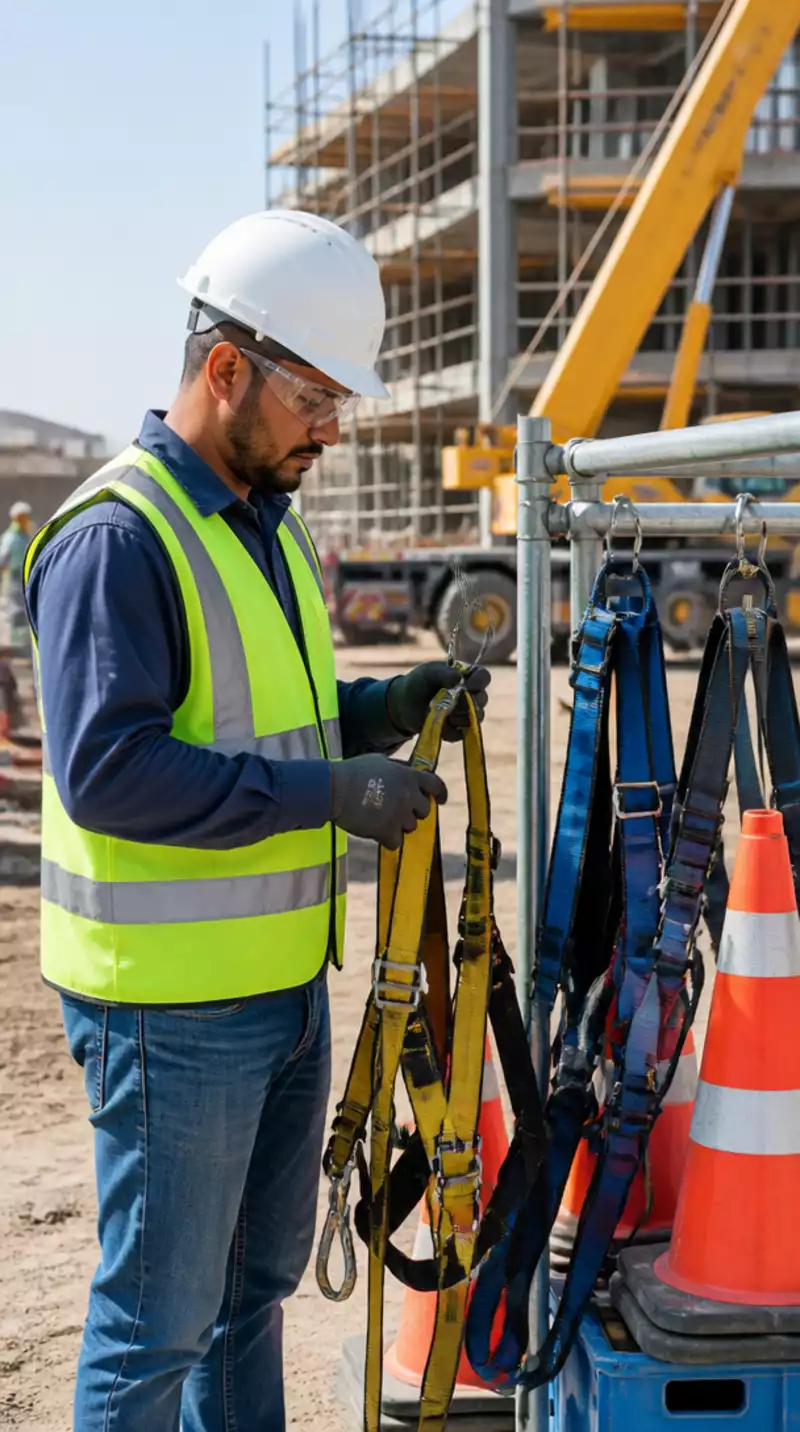
Integrating safety involves practical steps such as conducting daily safety briefings, ensuring all safety equipment is available and well-maintained, encouraging immediate reporting of near misses, and maintaining clear communication about safety protocols and updates.
The future of construction safety is being shaped by increased adoption of technology, including drones and wearables for real-time monitoring, advanced software solutions for compliance tracking, virtual reality training programs, and data-driven approaches for risk mitigation.
A strong safety culture ensures that safety is a shared responsibility and a top priority at every level. It fosters open communication about concerns, recognizes safe work practices, involves workers in policy development, and leads to higher morale and increased productivity.
Key steps include conducting thorough safety assessments, setting specific and measurable safety goals, investing in high-quality, tailored safety training, and regularly reviewing and updating safety policies based on feedback and evolving regulations.
Safety software solutions can enhance compliance by implementing safety management systems to track incidents, utilizing mobile apps for real-time reporting of issues, adopting training management software for education, and integrating safety features into project management tools.
In the construction industry, reinforcing safety practices is vital for protecting our workers and ensuring the success of any project. At Highcourt Scaffolding, we believe that integrating safety into daily operations not only fosters a secure environment but also enhances productivity. By prioritizing safety, we create a culture where everyone feels responsible for their own well-being and that of their colleagues.
To effectively summarize these essential safety practices, we can focus on three key areas: education, compliance, and culture. These elements work hand in hand to create a robust safety framework. By implementing these practices, we can significantly reduce accidents and maintain a high standard of work, which is crucial for both residential and commercial projects.
Integrating safety into daily operations involves creating a consistent routine that prioritizes health and safety on-site. Here are some practical steps to incorporate safety into our everyday tasks:
By making safety a daily focus, we can enhance awareness and promote a proactive approach among our team. This not only protects our workers but also creates a positive work environment that improves overall efficiency.
As the construction industry evolves, so do our safety practices. The future of safety in construction is likely to emphasize technology and innovation. Here are some trends we can expect:
At Highcourt Scaffolding, we are committed to staying ahead of these trends. Embracing new technologies can help us improve compliance and make our job sites even safer.
A strong safety culture is the backbone of any successful construction project. It cultivates an environment where safety is everyone's responsibility and is prioritized at every level. Here are some essential aspects of fostering a safety culture:
When we develop a strong safety culture, we ensure not just compliance, but also that our workers feel valued and invested in the project. This leads to higher morale and greater productivity on-site.
Now that we have summarized essential safety practices, it's time to take action! Enhancing safety on your construction site requires a strategic approach. At Highcourt Scaffolding, we strive to lead by example, and we encourage others to do the same.
By focusing on effective safety practices, we can build a better future for our workers and the entire construction industry. Remember, safety isn't just a priority; it's a way of life on the job!
Implementing effective safety practices involves a clear plan of action. Here are some steps you can take:
Taking these steps allows you to create a comprehensive safety strategy tailored to your unique needs. The goal is to create a safe environment where everyone can thrive!
Encouraging a culture of safety among workers requires ongoing commitment. Here’s how we can foster this culture:
By actively engaging our team in safety, we empower them to take ownership of their well-being and that of their colleagues, ensuring everyone stays safe on the job.
Finally, leveraging technology is crucial in enhancing compliance and safety on construction sites. Here are some options for utilizing safety software solutions:
At Highcourt Scaffolding, we utilize such solutions to enhance our safety protocols and ensure compliance with local regulations. By adopting new technologies, we can build safer job sites and set new industry standards!
Here is a quick recap of the important points discussed in the article: