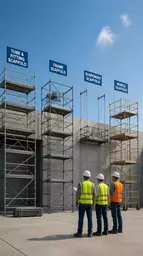
Regulatory Compliance & Standards
- OSHA guidelines adherence
- ANSI load capacity standards
- SIA industry best practices
Framework for safety
Ensuring safety in commercial scaffolding is not just a legal requirement; it's a foundational element that can determine the success of a project. With the stakes as high as they are, prioritizing safety translates to efficiency, compliance, and peace of mind for everyone involved.
Ensuring safety in commercial scaffolding involves critical elements like regulatory compliance, comprehensive inspections, and robust worker protection. Highcourt Scaffolding prioritizes these aspects for every project.
At Highcourt Scaffolding, we understand that safety is not just a requirement; it’s a crucial part of our work ethic. When it comes to commercial scaffolding, the stakes are high. Implementing effective safety measures ensures the well-being of our crew, clients, and the general public. This section highlights why safety is essential in commercial scaffolding and how we navigate the various regulations.
With my experience in the scaffolding industry, I've seen the difference that a robust safety plan can make. It not only protects everyone involved but also enhances project efficiency and compliance with local regulations.
Safety in commercial scaffolding is critical because it prevents accidents that can lead to serious injuries or even fatalities. It also protects the integrity of the project and your investment. At Highcourt Scaffolding, we prioritize safety by adhering to best practices and implementing stringent safety protocols on every job site.
By focusing on safety, we can deliver our services with confidence, knowing that we are protecting our team and our clients. Every scaffold we erect is backed by our commitment to safety and reliability.
Understanding and navigating the Occupational Safety and Health Administration (OSHA) and American National Standards Institute (ANSI) regulations is crucial for any scaffolding project. These regulations provide a framework for ensuring that scaffolding is designed, constructed, and maintained safely. At Highcourt Scaffolding, we stay updated on these regulations to guarantee compliance on every project.
By adhering to these regulations, we ensure our scaffolding solutions are not only safe but also compliant, which is essential for any commercial project. Our team is trained to understand these requirements, allowing us to deliver top-notch service while keeping everyone safe.
The Scaffold Industry Association (SIA) plays a vital role in promoting safety and best practices within the scaffolding industry. As members of this association, we at Highcourt Scaffolding are committed to upholding the standards set forth by this organization, which helps us maintain a high level of service and safety.
By engaging with the SIA, we not only enhance our knowledge but also contribute to a safer working environment for everyone involved in scaffolding projects. Our affiliation with the SIA reinforces our dedication to providing safe, reliable, and affordable scaffolding solutions in Peterborough and the surrounding villages.
When it comes to scaffolding compliance, understanding the core safety elements is essential. Regular inspections and maintenance are fundamental to ensuring that scaffolding remains safe to use. At Highcourt Scaffolding, we emphasize these aspects to provide our clients with peace of mind.
In this section, we'll delve into key safety requirements, including the importance of inspections, fall protection techniques, and understanding weight limits. These elements are critical for anyone looking to ensure a safe working environment on commercial job sites.
Did you know? Regular safety training can significantly reduce workplace accidents in scaffolding projects. Implementing a structured training program not only keeps your team informed about the latest safety protocols but also fosters a culture of safety that can enhance overall project efficiency.
As we wrap up our discussion on scaffold safety requirements, it’s essential to highlight the importance of compliance and the implementation of best practices. Safety should always be the top priority for both residential and commercial scaffolding projects. By adhering to local health and safety regulations, we not only protect our workers but also enhance the overall efficiency of our projects.
At Highcourt Scaffolding, we believe that every scaffolding project should be approached with a diligent safety mindset. This commitment ensures that everyone involved knows the risks and the measures in place to mitigate them!
Compliance with scaffolding safety standards can save lives and prevent costly accidents. It’s not just about following regulations; it’s about fostering a culture of safety. Ensuring that all team members are aware of safety protocols will significantly enhance the performance of scaffolding operations.
By actively engaging in safety practices, we can create a safer environment for our workers and clients alike, which is something we value highly at Highcourt Scaffolding.
Worker safety is not just a set of guidelines; it’s a culture that should be embraced across the industry. At Highcourt Scaffolding, we prioritize creating an environment where safety is everyone’s responsibility. This means consistently educating our team about potential hazards and the importance of communication on-site.
By fostering a strong safety culture, we can ensure that our workers feel valued and are more likely to follow safety protocols diligently.
As we move forward, it’s important to take actionable steps toward improving scaffold safety. The scaffolding industry is constantly evolving, and we must adapt to meet new safety challenges. Highcourt Scaffolding is dedicated to leading by example and encouraging others to prioritize safety.
By taking these next steps, we can contribute to a safer working environment for everyone involved in scaffolding operations!
To enhance scaffold safety management, utilizing resources and checklists can be incredibly beneficial. Here at Highcourt Scaffolding, we recommend compiling a list of valuable resources that can assist in maintaining compliance and ensuring safety.
These tools can empower your team, keeping them informed and ready to tackle any safety challenges on site!
Finally, promoting a culture of continuous learning is essential for the advancement of safety practices in the scaffolding industry. At Highcourt Scaffolding, we believe that staying updated on the latest safety techniques and regulations is crucial for success.
By embracing safe practices and fostering a learning environment, we can ensure that everyone involved in scaffolding remains safe and informed as we continue to serve the Peterborough area with reliable scaffolding solutions!
Here is a quick recap of the important points discussed in the article: