Selecting Scaffolding for Home Projects

Selecting Scaffolding for Home Projects

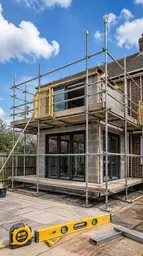
In an era where safety and efficiency are paramount in home renovations, understanding the importance of scaffolding cannot be overlooked. Choosing the right scaffolding is not just about convenience; it's about laying a solid foundation for your project’s success. Let's dive into the essential lessons you need to know to make informed decisions.

What You Will Learn

  • Selecting the right scaffolding increases safety for workers and enhances overall project efficiency.
  • Understanding the differences between aluminum and steel scaffolding helps you optimize for mobility or strength based on project needs.
  • Critical considerations include project height, type of renovation, and the surrounding area’s accessibility.
  • Familiarizing yourself with local regulations and permit requirements ensures compliance and safety during renovations.

Scaffolding Selection: Key Considerations and Material Comparison

Making an informed decision about scaffolding is crucial for project safety and efficiency. Below, we highlight the essential factors to consider and compare common scaffolding materials.

Key Considerations for Scaffolding Selection

  • Project Type (e.g., roofing, painting)
  • Required Height & Dimensions
  • Site Accessibility & Space
  • Load Capacity Needs
  • Local Regulations & Permits

Scaffolding Material Comparison

Aluminum Scaffolding
  • • Lightweight & Portable
  • • Easy Assembly/Dismantling
  • • Ideal for smaller, mobile jobs
Steel Scaffolding
  • • Heavy-Duty & Strong
  • • Excellent for heavy loads
  • • Suitable for large, demanding projects

Understanding the Importance of Choosing the Right Scaffolding for Your Residential Project

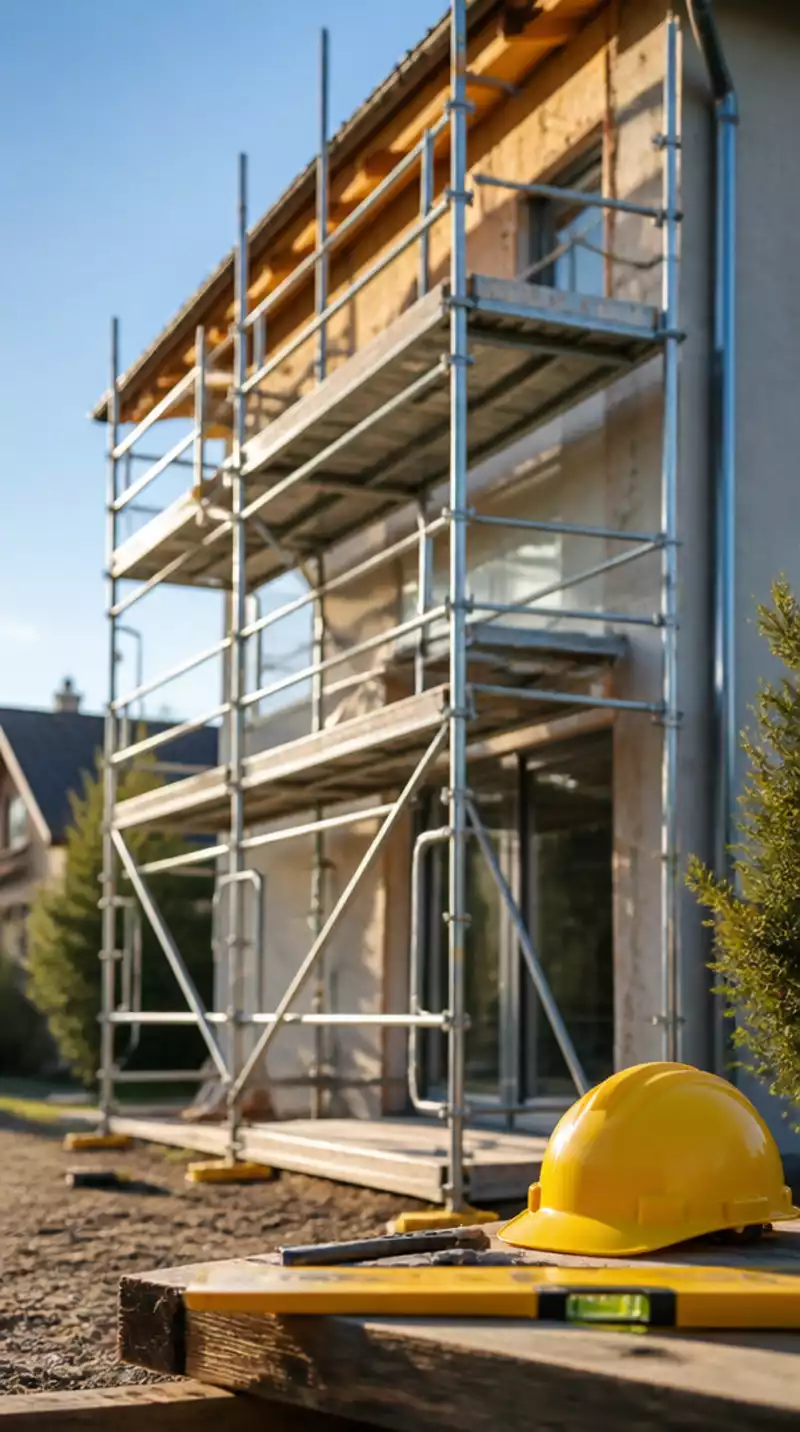
When it comes to home renovations, the importance of choosing the right scaffolding cannot be overstated. Proper scaffolding ensures not only the safety of workers but also the efficiency of the project. At Highcourt Scaffolding, we understand that selecting appropriate scaffolding is a crucial step in making your renovation or repair project successful!

Imagine climbing a ladder versus having a solid platform to work on. With the right scaffolding, you gain stability and access to hard-to-reach areas, making your job easier and safer. Whether you’re working on roofing, painting, or any major renovations, scaffolding plays a key role in achieving quality results.

Why Scaffolding Matters in Home Renovations and Repairs

Scaffolding is much more than just a temporary structure; it's a foundation for your project. It provides a secure environment for workers to perform tasks at height, reducing the risk of accidents. Additionally, using quality scaffolding can prevent damage to your property during renovations.

  • Increases safety for workers
  • Enhances productivity by providing easy access
  • Reduces the risk of property damage

At Highcourt Scaffolding, we prioritize safe, reliable, and affordable scaffolding solutions to make your project run smoothly. Our experience in residential and commercial projects allows us to cater to various needs, ensuring everyone involved feels secure.

Key Considerations When Selecting Scaffolding

When selecting scaffolding for your project, there are several key considerations to keep in mind. First, you need to assess the type of work you’ll be doing, as different tasks require different scaffolding setups. Next, consider the height you'll be working at and the overall size of your project.

  • Type of renovation (e.g., roofing, painting)
  • Project height and dimensions
  • Accessibility and space around the property

At Highcourt Scaffolding, we provide a range of scaffolding solutions tailored to your specific requirements. Our goal is to ensure you have the right equipment for your project's success, while also keeping safety at the forefront.

Understanding Different Scaffolding Materials: Aluminum vs. Steel

Choosing between aluminum and steel scaffolding is critical for your project. Aluminum scaffolding is lighter and easier to transport, making it ideal for smaller jobs or where mobility is essential. On the other hand, steel scaffolding offers greater strength and durability, making it suitable for larger, more demanding projects.

  • Aluminum: Lightweight, easy to assemble
  • Steel: Heavy-duty, excellent for heavy loads

When deciding which material to use, consider the scale of your project and the specific needs of your team. With Highcourt Scaffolding, I can help guide you in choosing the best option for your residential renovation.

We Want to Hear From You!

What challenges have you faced when selecting scaffolding for your residential projects? Share your thoughts or experiences below:

Summarizing Your Scaffolding Options for Residential Projects

Choosing the right scaffolding for your residential project is crucial. Not only does it ensure safety, but it also supports the efficiency of your work. Here are some key takeaways to help you make an informed decision:

  • Project Needs: Assess the specific requirements of your renovation or repair project before selecting scaffolding.
  • Material Matters: Understand the differences between aluminum and steel scaffolding to choose the most appropriate type.
  • Safety Features: Look for essential safety features such as guardrails and stable platforms to ensure a secure working environment.
  • Local Regulations: Be aware of local codes and permit requirements related to scaffolding in Peterborough and surrounding areas.

At Highcourt Scaffolding, we provide tailored solutions that accommodate both residential and commercial needs. With our experience, we guarantee you’ll find the right scaffolding for your specific project.

Key Takeaways for Effective Scaffolding Selection

Here are the critical elements to consider when selecting scaffolding:

  • Height and Access: Ensure the scaffolding can reach the necessary height safely, while also considering access points.
  • Load Capacity: Determine the load capacity to support materials and workers adequately.
  • Type of Work: Match the scaffolding type to the work being done, whether it’s roofing, painting, or renovation.
  • Professional Help: Don’t hesitate to contact us for a free no-obligation quotation and professional advice.

By focusing on these aspects, you can streamline your project and increase safety and productivity.

Next Steps: Ensuring a Safe and Efficient Scaffold Setup

Once you’ve selected the right scaffolding, the next step is ensuring everything is in place for a safe and efficient setup. This involves gathering relevant local codes and understanding the necessary permits required for your project.

Gathering Local Codes and Permit Information

Before beginning any construction or renovation, it’s essential to check with local authorities about scaffolding regulations. This ensures compliance with safety standards and avoids potential fines. We at Highcourt Scaffolding are knowledgeable about local regulations in Peterborough, and we can help guide you through this process!

  • Contact your local council for specific scaffolding regulations.
  • Check if a permit is required for your project.
  • Ensure all safety standards are met before work begins.

By doing your due diligence, you can ensure a smooth project start and maintain high safety standards.

Frequently Asked Questions (FAQs) About Choosing Residential Scaffolding

As you navigate the scaffolding selection process, you may have questions. Here are some frequently asked questions to help clarify common concerns:

What is the primary importance of choosing the right scaffolding for home renovations?
Choosing the right scaffolding is crucial for ensuring worker safety, enhancing project efficiency, and preventing property damage during home renovations.
How do I decide between aluminum and steel scaffolding?
Aluminum scaffolding is lightweight and portable, ideal for smaller, mobile jobs. Steel scaffolding is heavy-duty and durable, suitable for larger projects with heavy loads.
What key factors should I consider when selecting scaffolding?
Key factors include the type of renovation (e.g., roofing, painting), the required height and dimensions, site accessibility, load capacity needs, and local regulations/permits.
Do I need to check local regulations and permits for scaffolding?
Yes, it is essential to check with local authorities for specific scaffolding regulations and permit requirements to ensure compliance with safety standards and avoid fines.
What accessories should I consider for scaffolding safety?
Consider accessories like guardrails, toe boards, and stabilizers to enhance safety and stability, ensuring a secure working environment.

Stay Informed: FAQs About Choosing Residential Scaffolding

As you navigate the scaffolding selection process, you may have questions. Here are some frequently asked questions to help clarify common concerns:

What Scaffold Is Best for House Painting?

For house painting, mobile scaffolding is often the best choice. It offers flexibility and allows you to move easily around the property while providing a stable platform for painting.

Do I Need Mobile Scaffolding for a Home Project?

If your project requires moving around frequently or accessing different areas of the house, mobile scaffolding can make your job easier and more efficient. It’s perfect for tasks that need versatility!

How to Ensure Safety While Using Scaffolding?

To maintain safety while using scaffolding, ensure you:

  • Inspect the scaffolding before use.
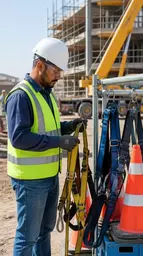
  • Use proper fall protection systems.
  • Follow all safety guidelines and regulations.

What Scaffolding Accessories Should I Consider for My Project?

Consider investing in accessories like guardrails, toe boards, and stabilizers. These items enhance safety and stability, ensuring a secure working environment throughout your project. We can help you find the right accessories for your specific needs!

Recap of Key Points

Here is a quick recap of the important points discussed in the article:
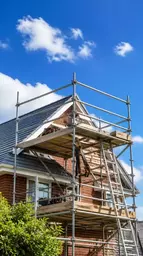
  • Importance of Scaffolding: Proper scaffolding is essential for worker safety and project efficiency.
  • Key Considerations: Assess the type of work, project height, and accessibility before selecting scaffolding.
  • Material Choice: Understand the differences between aluminum (lightweight) and steel (durable) scaffolding for your specific needs.
  • Safety Features: Look for essential safety features such as guardrails and stable platforms to ensure a secure working environment.
  • Local Regulations: Be aware of local codes and permit requirements related to scaffolding in your area.
  • Professional Guidance: Consider reaching out for professional help and quotations for tailored scaffolding solutions.

Popular Posts

Safe Roof Repair Scaffolding Options Safe Roof Repair Scaffolding Options Have you ever considered the impact of scaffolding on safety during roof repairs? The right scaffold
Selecting Scaffolding for Commercial Projects Selecting Scaffolding for Commercial Projects In the world of commercial construction, the foundation of a successful project often rests on a see
Scaffolding for Home Extensions Scaffolding for Home Extensions Did you know that scaffolding is not just a platform, but a crucial safety measure for home renovati
Construction Site Safety Practices Construction Site Safety Practices As the construction industry continues to evolve, safety practices have become more crucial than eve